Smartphone Punto Banco Sessions: Where Promotional Triggers Align with Live Dealer Protocols
Zoe Butler · Sep 23, 2026
Smartphone Punto Banco Sessions: Where Promotional Triggers Align with Live Dealer Protocols
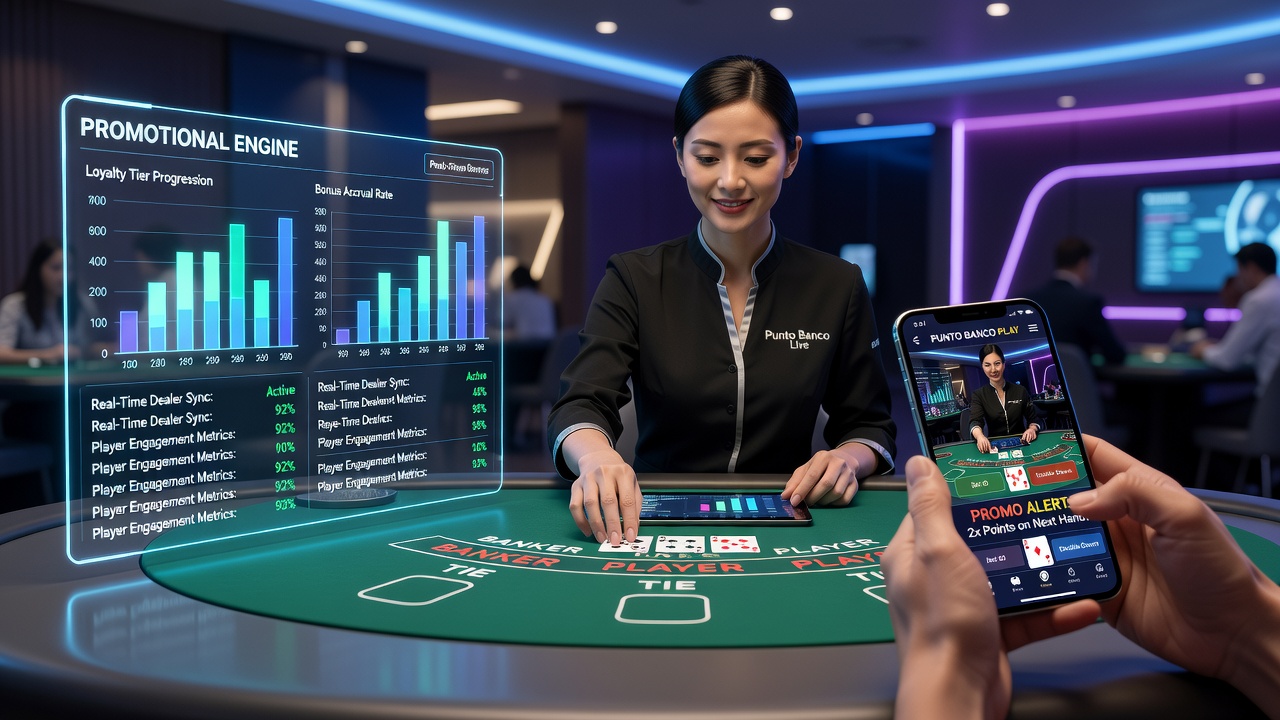
Smartphone Punto Banco combines real-time dealer feeds with layered promotional mechanics that adjust based on table events and player patterns. Operators integrate these systems so that bonus triggers respond directly to dealer shuffles, card reveals, and payout sequences rather than operating on separate schedules.
Core Components of Promotional Systems in Mobile Punto Banco
Promotional frameworks track live table data streams from dealer cameras and card recognition software. When a dealer completes a hand, the system logs results and cross-references them against active player incentives. This linkage allows cashback offers or multiplier rewards to activate mid-session when specific sequences appear, such as consecutive banker wins or particular tie outcomes.
Data from multiple operators shows that these real-time connections reduce the lag between a qualifying event and reward delivery to under three seconds in most cases. Players receive push notifications that appear alongside the dealer video feed, keeping attention on the table while the promotion registers.
Real-Time Dealer Interactions and Technical Integration
Live dealer platforms stream video from dedicated studios equipped with automated card shoes and optical recognition units. Dealers follow standardized pacing protocols that feed directly into backend servers. These servers then push updates to mobile apps, where promotional overlays update without interrupting the visual stream.
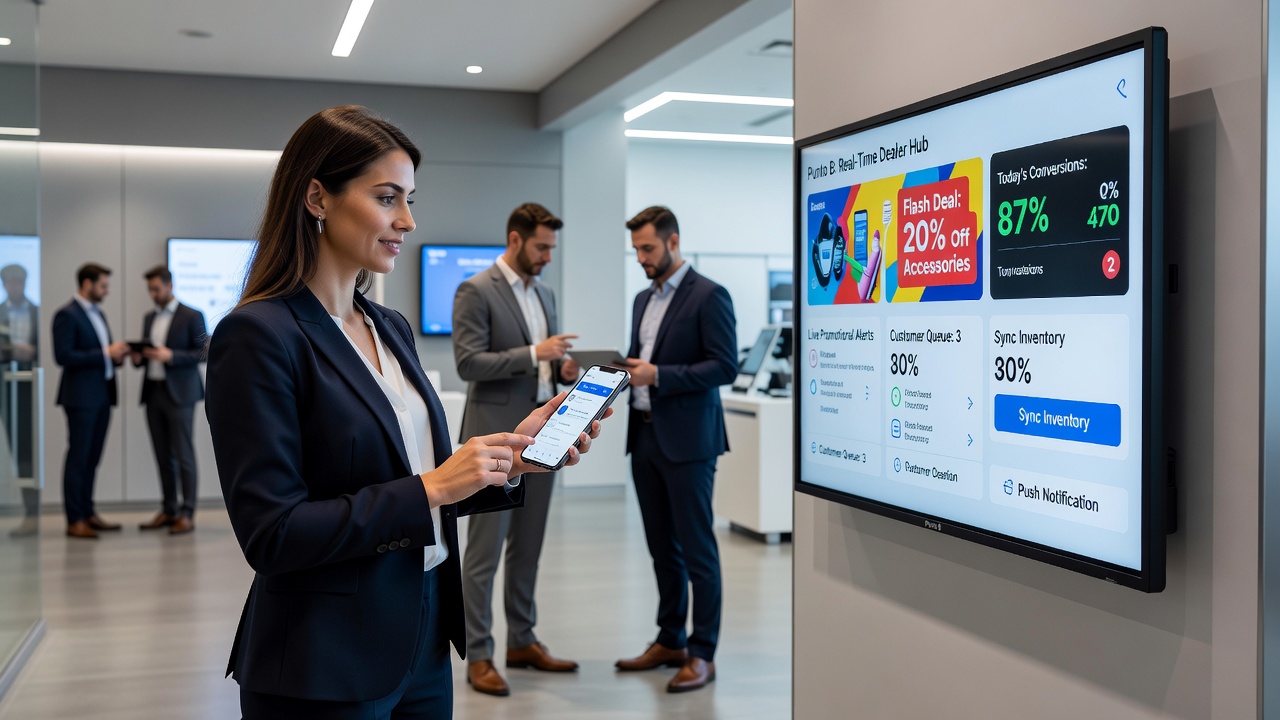
September 2026 reports from several regional regulators noted increased adoption of synchronized APIs that connect dealer management software with loyalty engines. The result is that a dealer’s card draw can instantly influence whether a player’s active deposit match converts into a higher tier reward.
Intersection Points Between Promotions and Dealer Actions
The primary intersection occurs at the moment of card reveal. Systems monitor each hand result and compare it against predefined promotional rules. For example, an active reload bonus may double its payout rate if the dealer produces a specific combination within a set number of rounds. This mechanic requires constant data exchange between the dealer terminal and the promotional database.
Operators also use geolocation signals to adjust promotional availability while the dealer continues dealing. A player moving between regulatory zones may see offers pause or resume in real time without leaving the table. According to figures from the Nevada Gaming Control Board, mobile Punto Banco sessions accounted for 28 percent of total baccarat handle in the first half of 2026, with promotional redemptions rising in tandem.
Player Data Patterns and Reward Allocation
Research from the Australian Gambling Research Centre indicates that players who remain connected to live dealer streams for more than forty-five minutes show higher engagement with time-sensitive promotions. The data reveals that reward allocation algorithms adjust offer frequency based on average session length and dealer interaction rate rather than static player tiers alone.
One documented pattern involves streak-based incentives that activate only after the dealer completes a predetermined number of hands. These offers appear as on-screen counters that update with each new shoe, creating a direct visual link between dealer activity and promotional progress.
Regulatory and Operational Adjustments in 2026
Multiple jurisdictions updated technical standards in early 2026 to require clearer separation between promotional displays and dealer video feeds. The changes ensure that bonus information does not obscure card outcomes or dealer gestures. Compliance teams now audit API logs that record every promotional trigger against corresponding dealer actions.
These standards have prompted software providers to refine timing parameters so that promotional notifications arrive during natural pauses between hands. The adjustments maintain the flow of live play while satisfying disclosure requirements across different regions.
Conclusion
Promotional systems and real-time dealer interactions in smartphone Punto Banco continue to converge through synchronized data channels and API connections. Current implementations tie reward delivery directly to dealer events, while regulatory updates shape how these integrations appear on player devices. The ongoing refinement of these connections reflects broader industry movement toward tighter coordination between live table operations and mobile incentive structures.